What people eat in the south-west
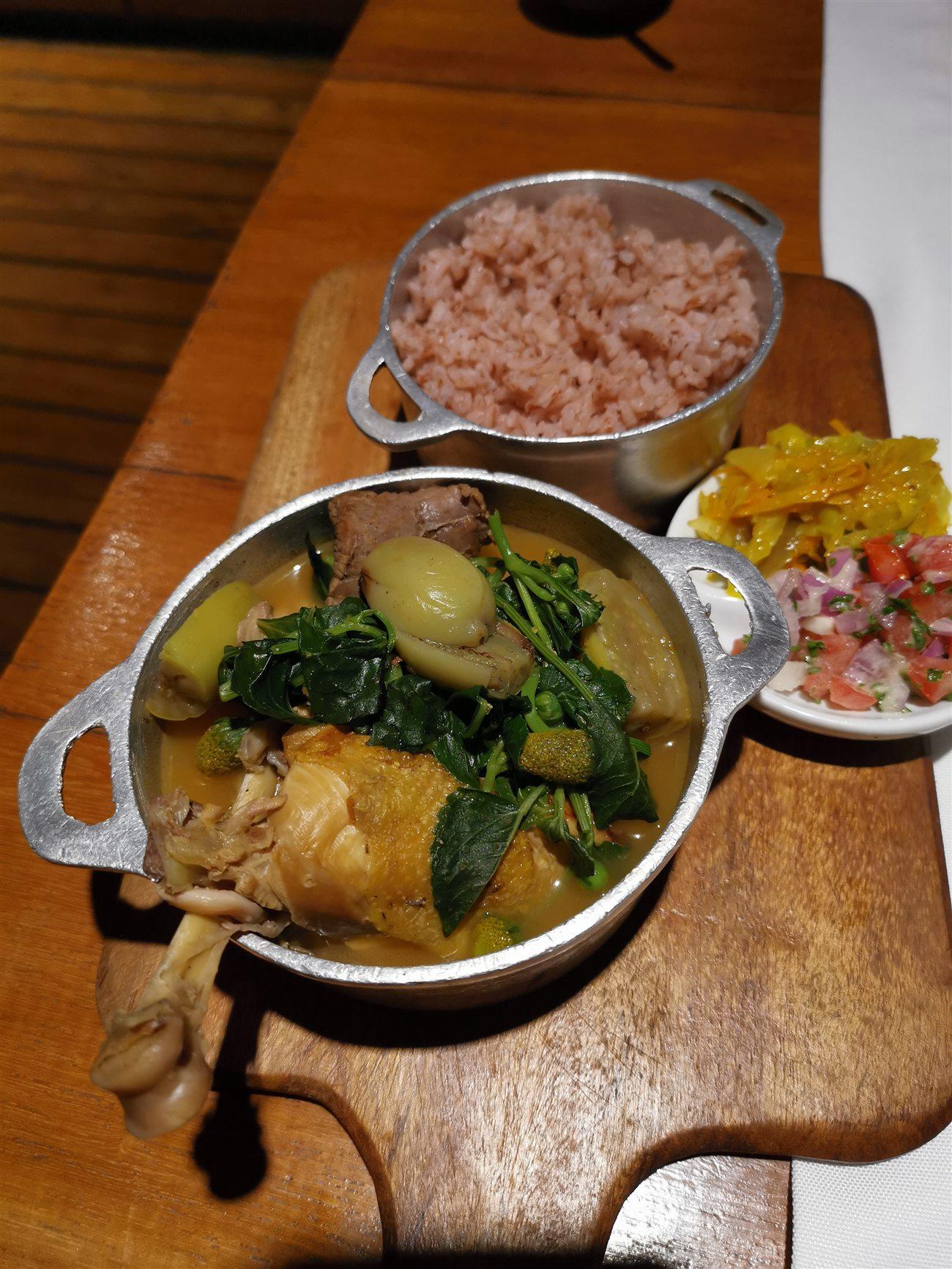
Rice first. In Madagascar, rice — vary — is the centre of the meal, morning, noon and night. Everything else, meat, vegetables, fish, is collectively the laoka, the accompaniment. On the Vezo coast the laoka is often the day’s fish or seafood, grilled or in a sauce.
The dishes you meet everywhere. Romazava, a broth of zebu and leafy greens served over rice, stands as the national dish. Ravitoto pairs pounded cassava leaves with fatty pork. On a menu, henakisoa sy ravitoto is exactly that: pork and cassava leaves. Voanjobory sy henakisoa, also common, pairs Bambara groundnuts with pork.
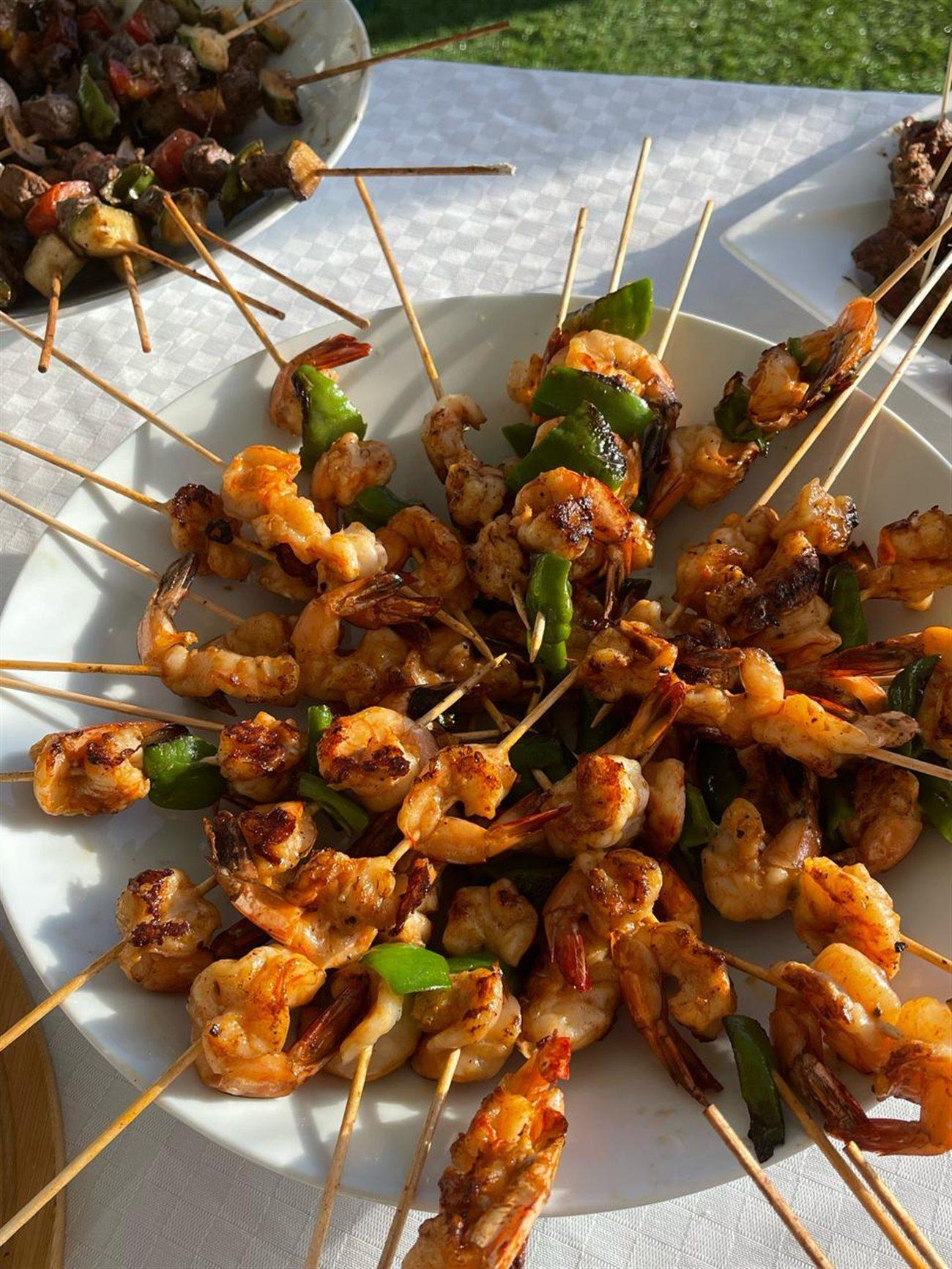
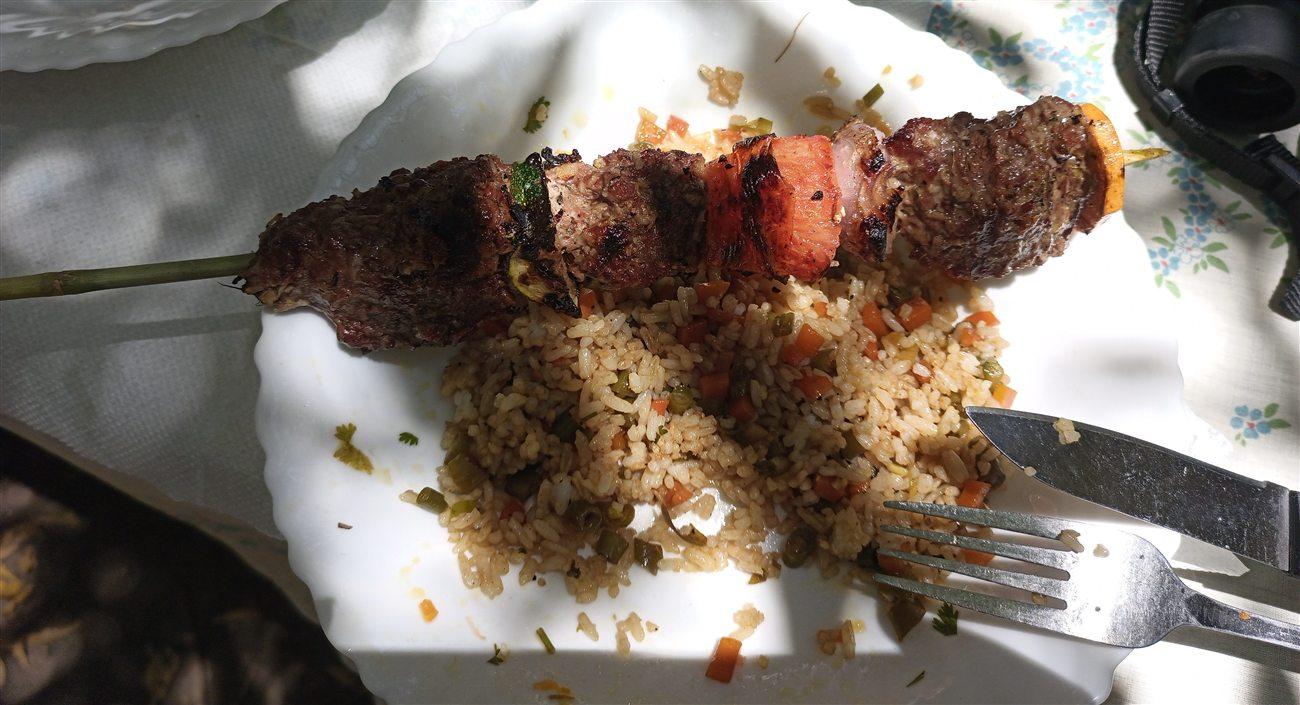
Zebu and coconut chicken. Zebu — omby — is festive meat as much as a sign of wealth in the Mahafaly and Bara south-west: grilled on skewers, masikita is eaten on the go, at the market or by the roadside. On the coast, where the coconut palms of Ifaty and Mangily grow, akoho sy voanio follows the same principle as fish in sauce: chicken simmered in coconut milk, often spiced with ginger.
Two sweets. Mofo gasy, “Malagasy bread”, is a small sweet rice-flour cake cooked in a dimpled mould, bought at breakfast on a street corner. Koba mixes peanut, sugar and rice flour; koba akondro adds mashed banana, wrapped in a banana leaf and steamed.
At the market stall. Toliara faces the Mozambique Channel: fish, octopus and prawns are plentiful and fresh. The island’s spices — vanilla, pepper, clove, turmeric — are sold at the central market. A small pot of sakay, a paste of red and green chillies, comes with almost every meal; everyone sets their own dose. Asking “ohatrinona?” before you buy is part of it.