Archaeology and genetics describe a settlement born of the meeting between South-East Asia and East Africa. Accounts passed down locally, archives and excavations are read together: each lights up part of this long history.
VEZO
A way of life, more than an origin.
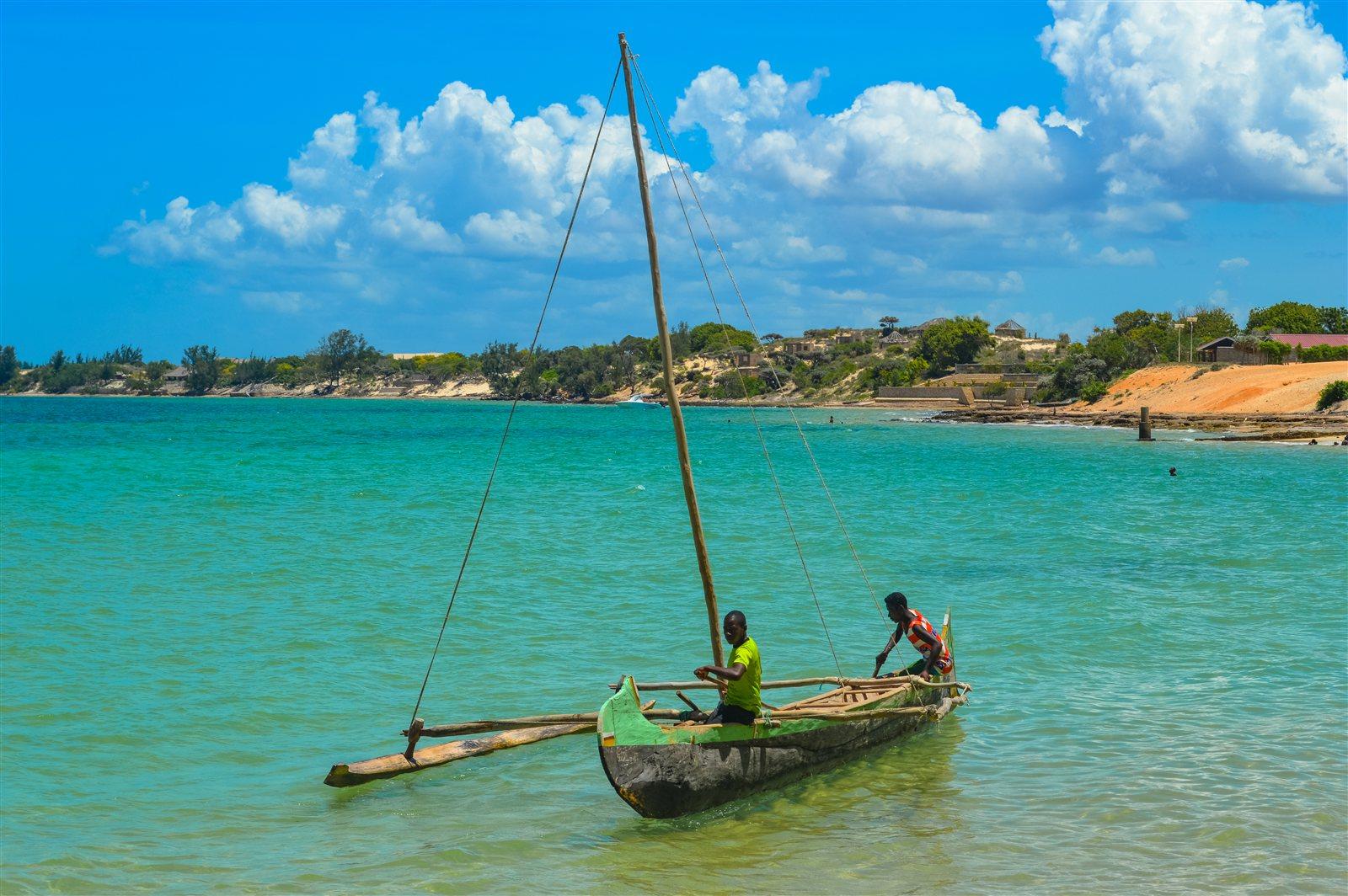
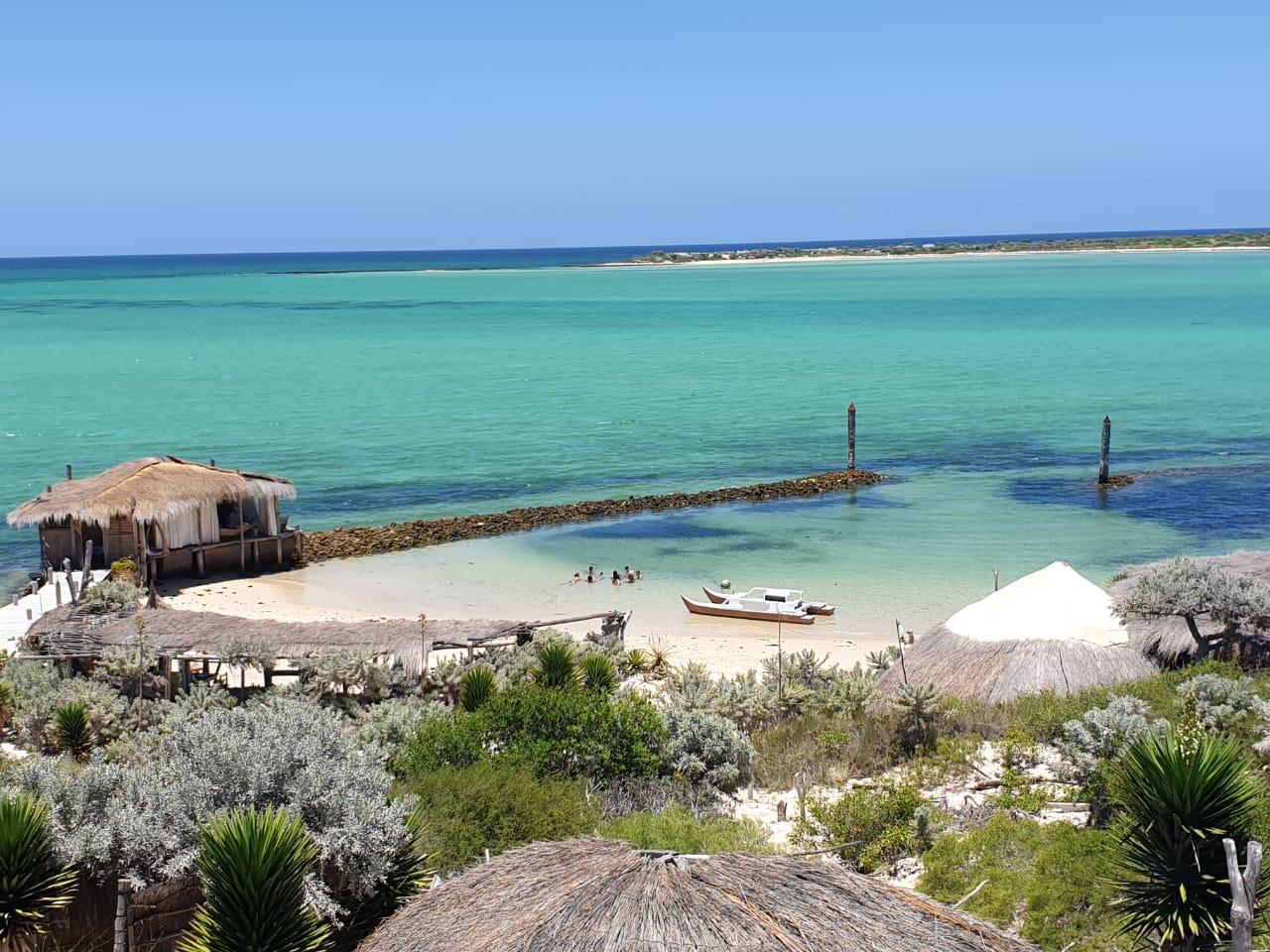
Along the south-west coast of Madagascar, the Vezo define themselves less by ancestry than by a way of life: fishing from hand-carved, sail-powered pirogues, traditionally moving with the fishing seasons. “Vezo” originally meant the people of the shore, as opposed to inland populations. You meet them on the beach, at the market, around the morning’s catch; their dialect is a variant of Malagasy specific to the south-west.
LEMURS
See them at home, at a proper distance.
Lemurs live in Madagascar and nowhere else, and their future rests on their forests. The encounter is at its best from a distance and in silence, following the site guide: that is when they stay in view the longest.
BAOBABS
The quarter of an hour worth the journey.
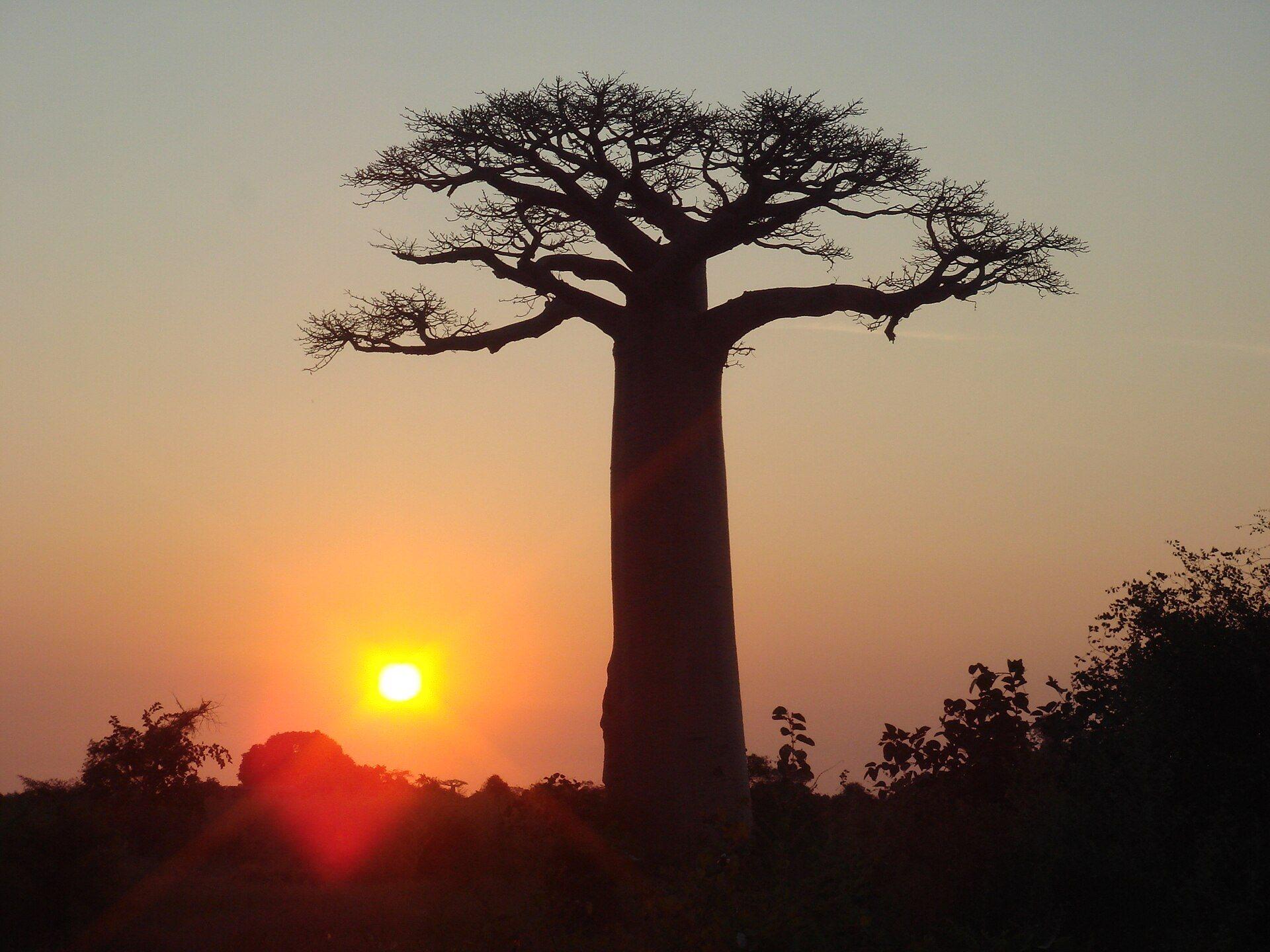
Madagascar is home to several endemic baobab species, among them the giants of the Avenue. Late-afternoon light is what everyone comes for, and the site managers give the access time and the visiting rules. The Avenue is near Morondava, on the west coast: two days' drive from Toliara, it is not a short excursion from the south-west.
KNOW-HOW
The lamba, everyday cloth.
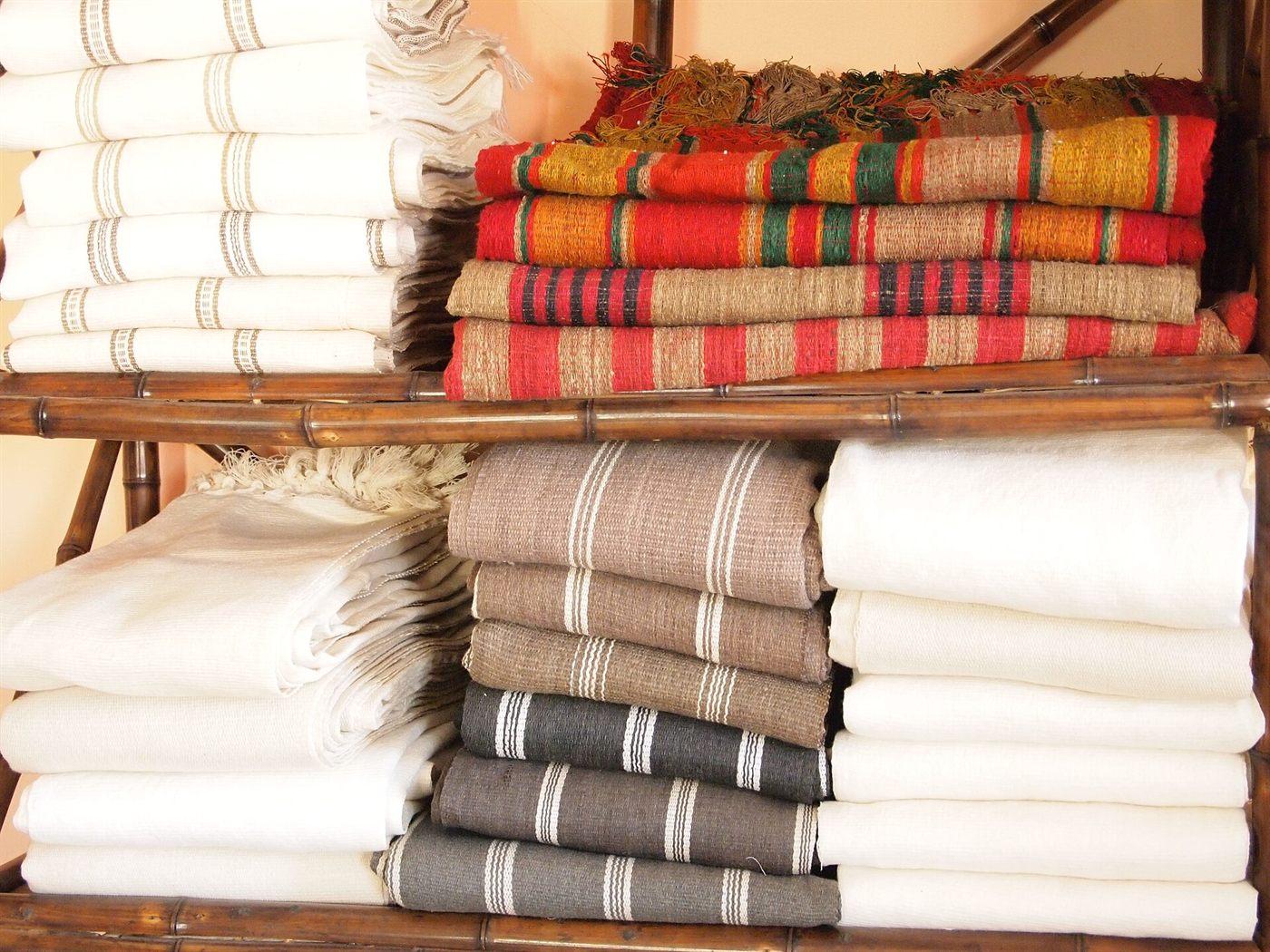
The lamba is the basic Malagasy garment: a rectangle of cloth worn over the shoulders or tied at the waist. On the west coast the salovana, or lambahoany, is printed with geometric motifs and a proverb in Malagasy along the edge.
To Antananarivo from any continent, then on to Toliara by air or by road. The access guide gathers the connections airlines state and the points to confirm at departure.
 HISTORY
 VEZO
VEZO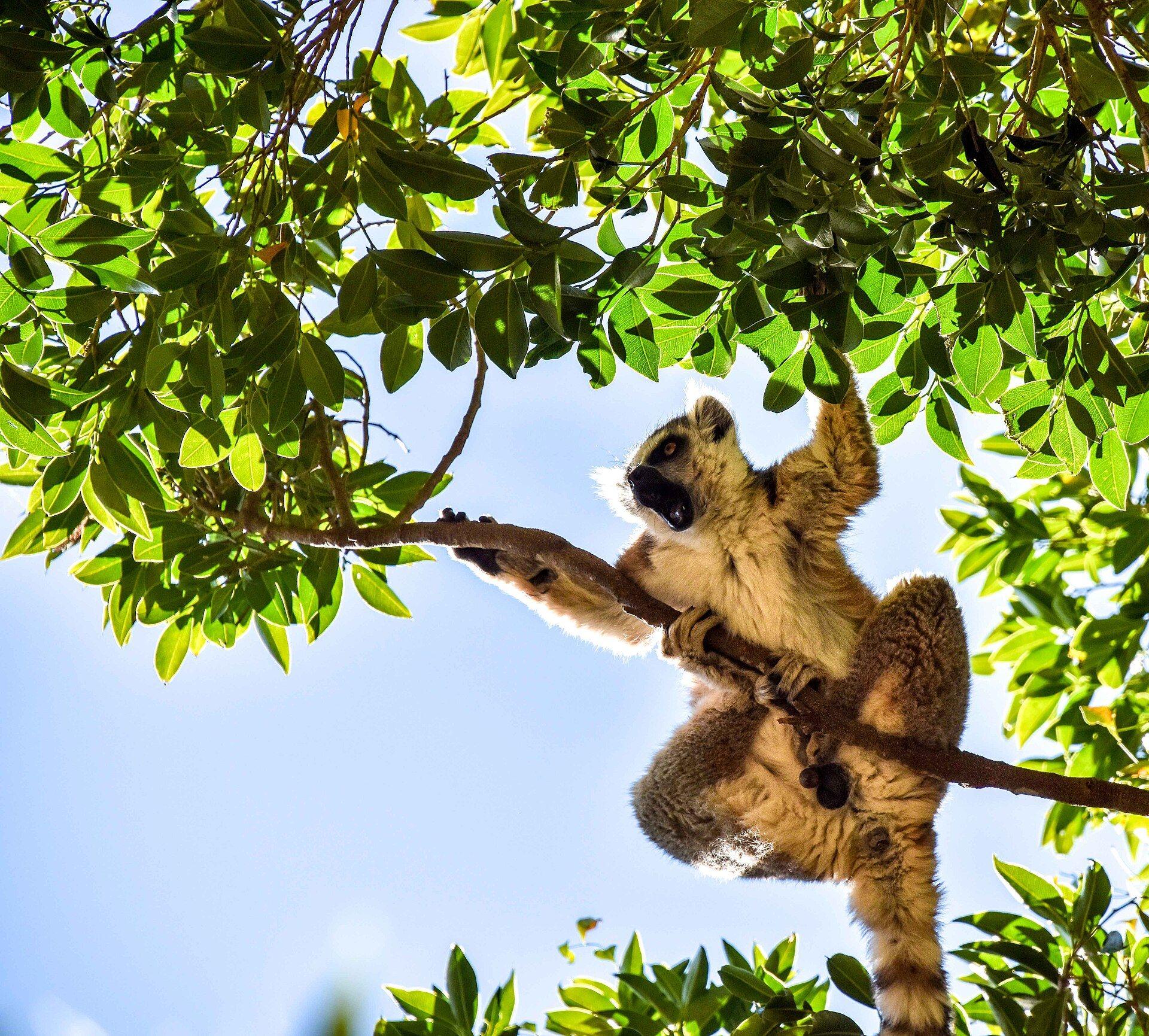 LEMURS
 BAOBABS
 KNOW-HOW
 GETTING THERE