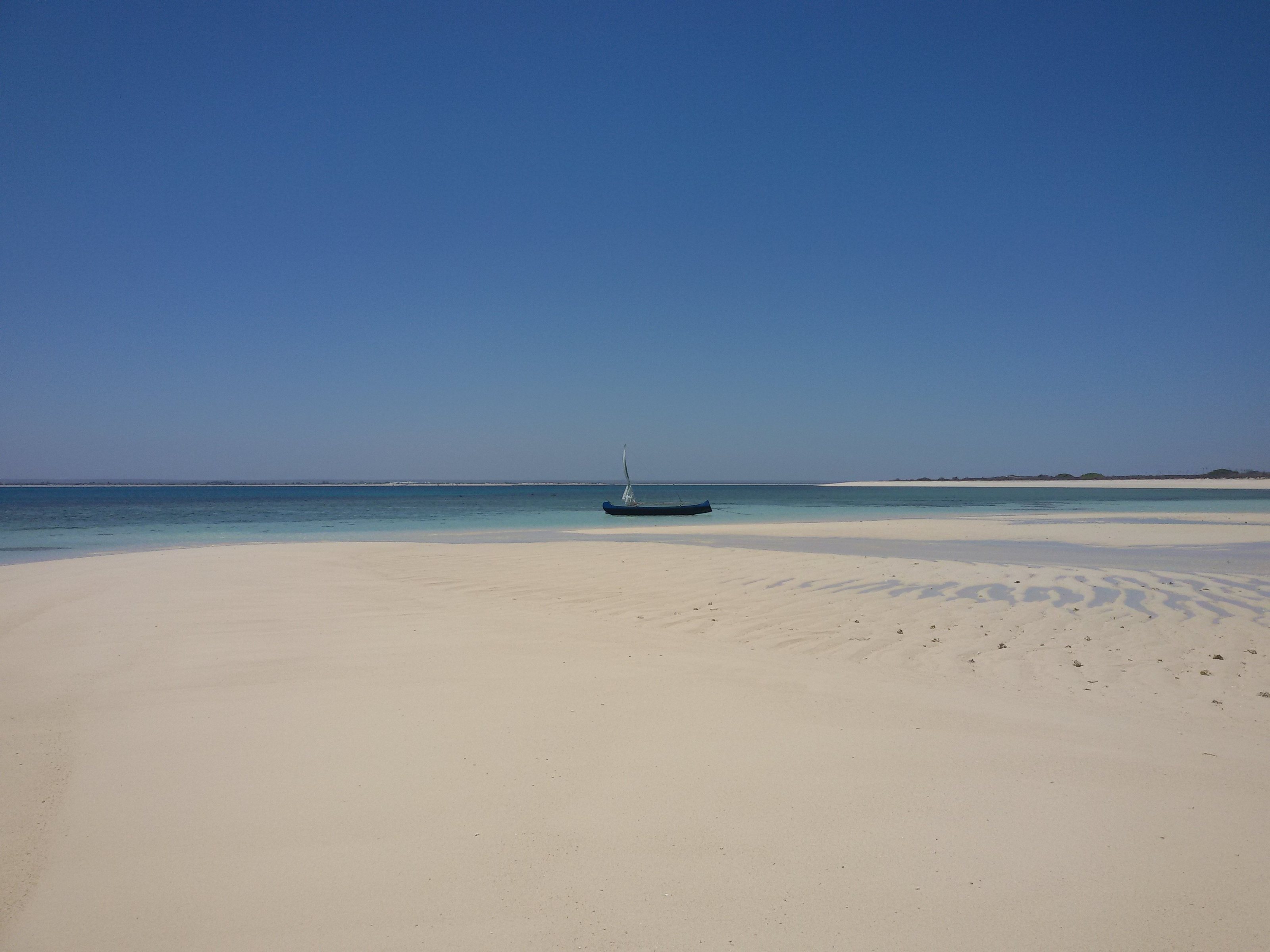
The barrier reef closing off the Toliara lagoon is extensive and monitored by local programmes. Heavy fishing, sediment from the land and bleaching episodes weaken it.
The south-west is fragile.
Visit it with care.
WHY IT IS DIFFERENT HERE
Four balances to spare.
The south-western bush is among the most endemic vegetation in Madagascar. Charcoal-making and land clearing shrink it year on year.
Rain is light and seasonal. Fresh water is shared between villages, farming and lodgings, often from the same water table.
Many families live on what they catch each day. The pressure on the resource is documented by NGOs working with the communities.
ON THE GROUND
What actually makes a difference.
Nothing unusual: ordinary habits that matter because the region is small and the resource is counted.
The three habits that matter most
- Save fresh water: short showers, leaks reported.
- Take nothing from the lagoon, never touch the coral.
- Pay village fishers, guides and craftspeople directly.
Water
- Short showers, tap off: fresh water is precious.
- Report a leak as soon as you see one.
The lagoon and the reef
- Admire coral without touching it; keep fins well above the reef flat.
- Leave shells, coral and starfish where they are.
What you eat
- Check the season: lobster, crab and some fish have closed periods.
- Choose in-season fish of good size.
- The day’s catch, bought in the village, supports fishers directly.
Souvenirs and waste
- Choose craft souvenirs: turtle shell, coral, rare shells, precious wood and animals are protected under CITES, the international convention on trade in endangered species.
- Buy crafts directly from makers, at a fair price.
People and customs
- Ask before photographing a person, a market, a pirogue.
- The pale masonjoany paste on faces is an everyday custom: look at it with respect.
- Ask locally about forbidden places and acts (fady) before entering anywhere.
CHOOSING WHO YOU DEAL WITH
Where the money stays local.
A stay has more effect when it goes through operators who employ and pay locally, and take part in protecting the environment.
- Community reserves, such as the Honko mangrove, where the entry fee funds patrols and replanting.
- Village guides and pirogue crews, paid directly, rather than a distant middleman.
- National parks, whose entry fee supports conservation.
OUR METHOD
How we work.
- Every record says what is verified, and on what date.
- We point towards supervised, low-impact activities.
- Every sensitive site links to the organisation that monitors or protects it.
- Records are ordered by territorial relevance, freely.
- We favour paying guides, pirogue crews and local providers directly, on stated terms, and refuse arrangements where a middleman takes a cut.
- No humanitarian tourism or volunteering in social institutions: our exchanges are with territorial professionals.
- Priority to south-western lodgings, guides and craftspeople, whenever quality and safety allow.
- The rate agreed with a local partner is set in advance and written into the quotation; we do not renegotiate it downward afterwards.
Ready to travel by these principles?See the routes