What people wear in the south-west
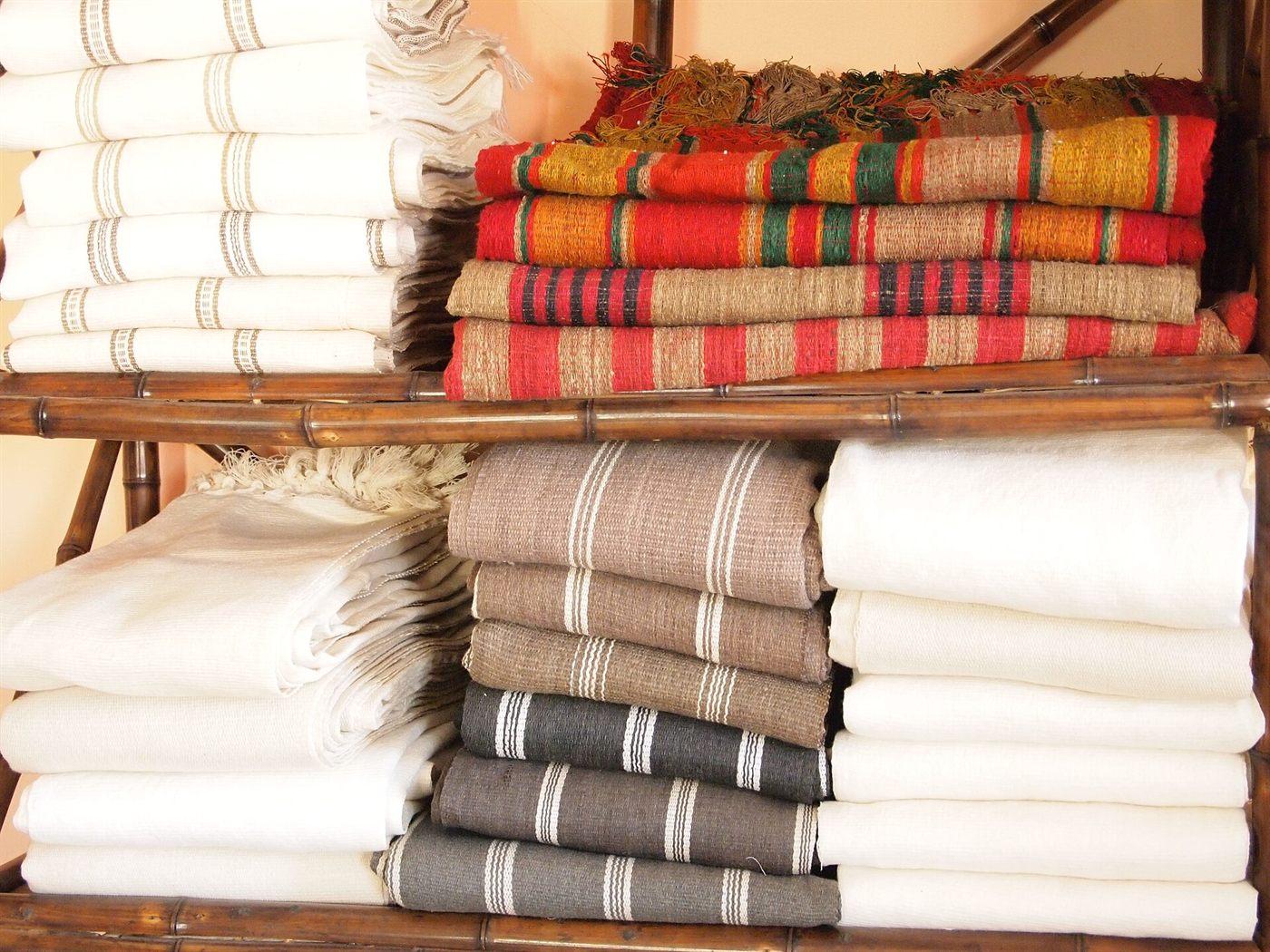
The lamba. It is the base of Malagasy dress: a rectangle of cloth worn over the shoulders, tied at the waist, or wrapped around a child. Depending on the region and the occasion it is plain cotton or silk, plain or woven with patterns.
The salovana, or lambahoany. On the western coast, women tie a printed rectangle of about 110 by 160 centimetres across the chest, often carrying geometric motifs and a Malagasy proverb printed along the edge. A second piece of the same size, the kisaly, covers the head and shoulders. Men wear the kitamby, tied at the hip.
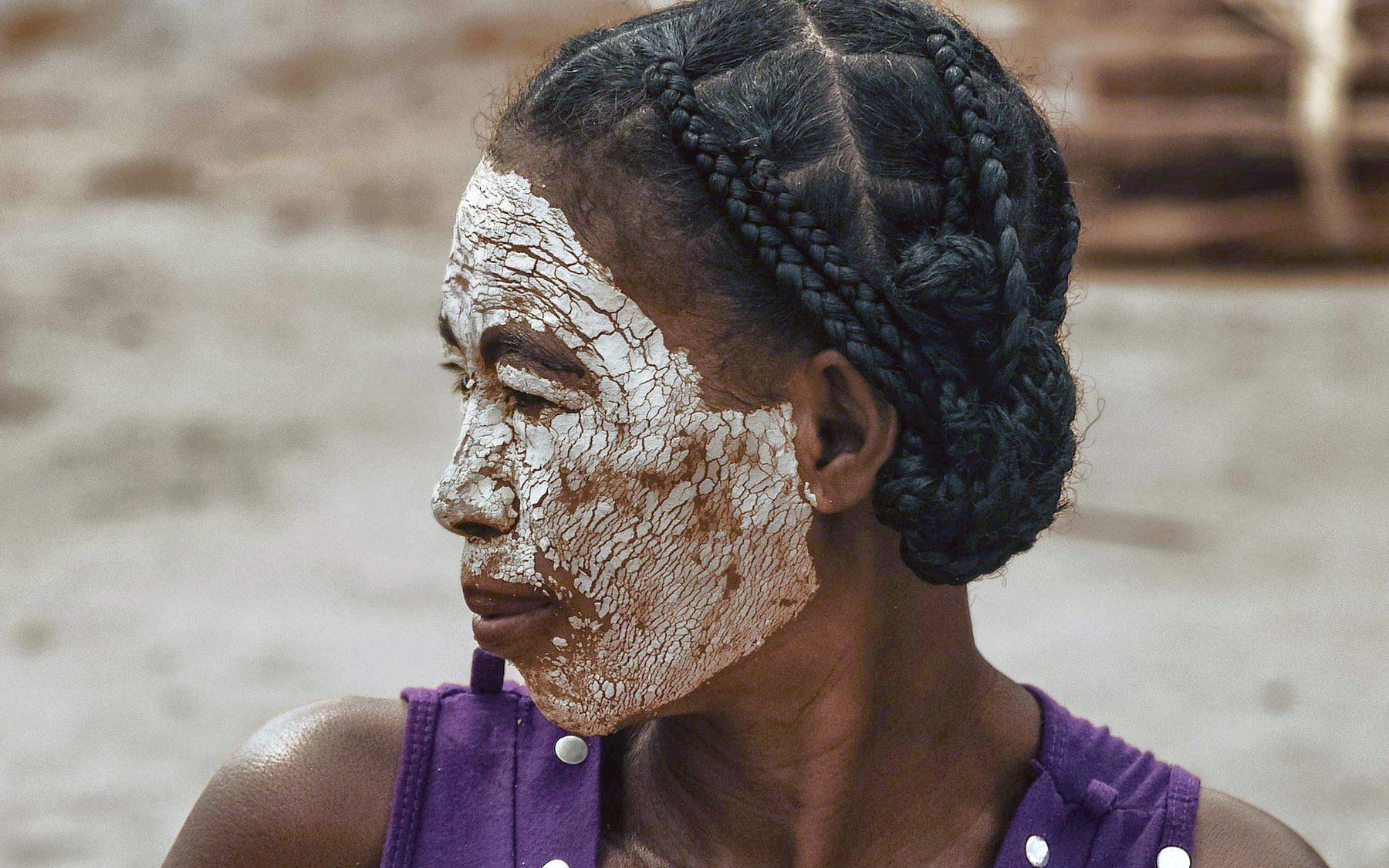
The pale mask. Many Vezo and Sakalava women apply a pale paste to the face, the masonjoany — the Vezo call it tabaky. It is made by grinding a local wood to powder and mixing it with a little water. It shields from the sun, strong on the coast all year round, and also works as skincare. It is worn on ordinary days as on festive ones; it is neither a costume nor a ritual sign, just common practice.
What it changes for a visitor. Nothing you have to do. Telling a salovana from a plain sarong, or understanding that the white mask is nothing unusual, is enough to see the street differently. A lambahoany can be bought at the Toliara market; it is a light, genuinely useful souvenir.